
Successful engineering systems begin long before installation work starts. At the initial stage, it is important to determine the technical requirements of the facility, assess the possibilities for connecting to external utilities, estimate future loads, and prepare reliable input data for further design.
These tasks are covered by pre-design engineering services. They help the client gain a realistic understanding of the technical capabilities of the future facility and reduce the risk of major changes during the construction stage.
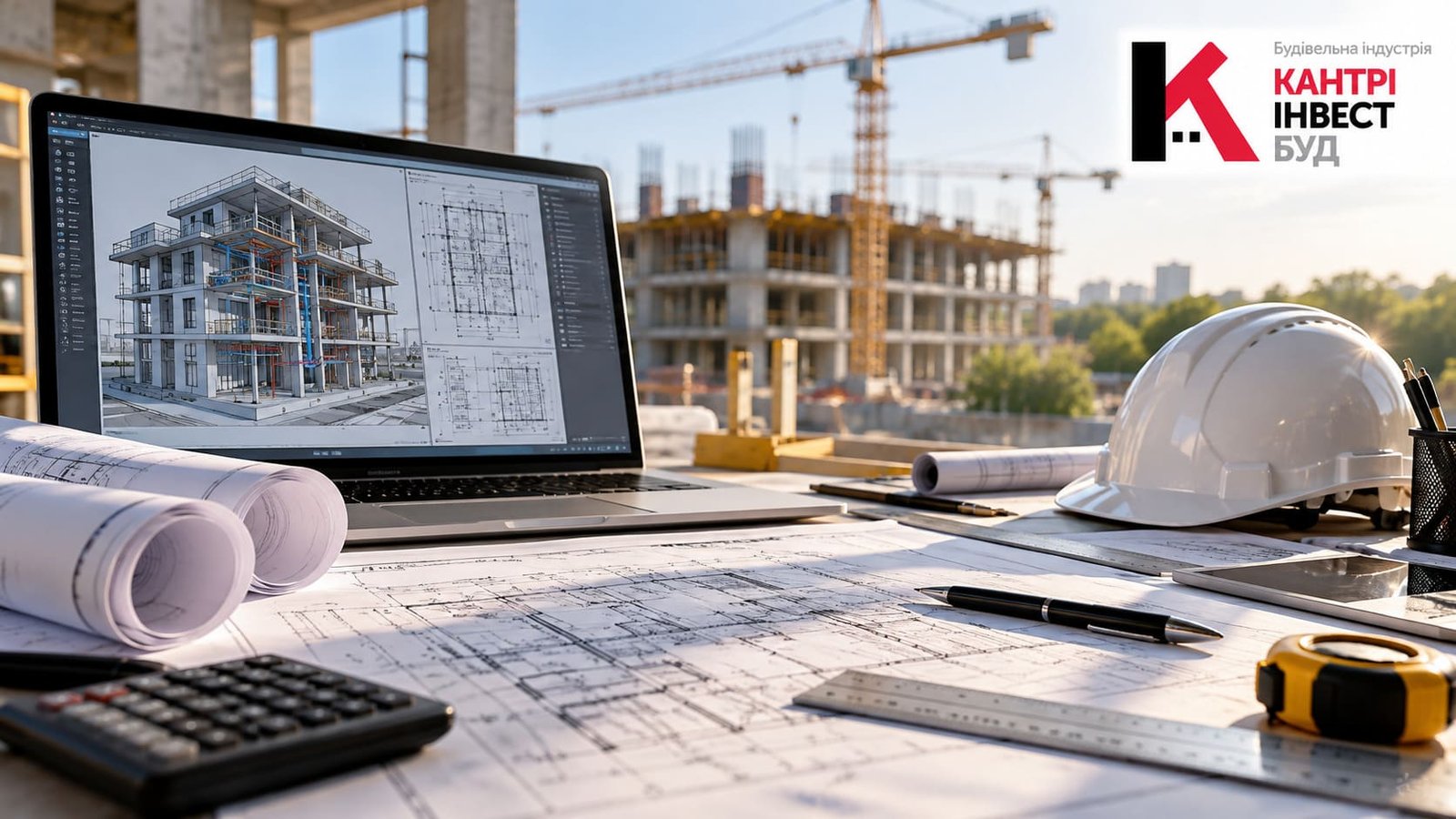
The pre-design stage is a set of analytical, consulting, and technical activities performed before the main project documentation is developed.
Its primary purpose is to collect and structure the information required to make technically justified engineering decisions.
Depending on the type and complexity of the facility, pre-design services may include:
One of the common challenges in construction projects is the need to revise technical solutions after work has already started. Such situations may be caused by incomplete initial data, underestimated loads, limited capacity of external networks, or conflicts between different engineering sections.
Proper pre-design preparation makes it possible to identify many of these issues before detailed design begins.
As a result, the client receives a more predictable project implementation process, while the engineering team has the information required to develop well-founded technical solutions.
The first step is to determine the actual engineering needs of the future building or structure. Engineers analyze its functional purpose, total area, expected number of users, technological equipment, and other parameters that influence resource demand.
For power supply systems, for example, it is important to estimate the required electrical capacity, reliability category, expected loads, and the need for backup power.
An important part of pre-design preparation is assessing whether the facility can be connected to the existing infrastructure. The actual capacity and configuration of utility networks may significantly affect future design solutions and the overall project budget.
At this stage, engineers determine whether technical specifications are required, analyze possible connection points, available capacities, and the requirements of utility or operating organizations.
This makes it possible to understand which technical solutions can realistically be implemented at a specific site before detailed design work begins.
Based on the collected information, specialists can develop a preliminary engineering concept for the facility. This does not replace a complete engineering design, but it establishes the key principles for further development.
For example, engineers may preliminarily determine power supply schemes, the need for transformer equipment, backup power sources, grounding systems, lightning protection, and other electrical infrastructure.
Another important advantage of preliminary analysis is the possibility of estimating the future scope of work more accurately. When the key technical parameters are understood, it becomes easier to prepare an initial budget, determine whether additional equipment will be required, and plan implementation stages.
This is particularly important for commercial, industrial, and infrastructure projects, where engineering systems can represent a significant part of the overall investment.
BUILDING INDUSTRY COUNTRYINVESTBUD provides engineering and pre-design services for facilities of various types and levels of complexity.
A comprehensive approach makes it possible to combine consulting, obtaining technical specifications, engineering design, electrical installation, and commissioning within a single coordinated process.
When engineering solutions are analyzed before the main design stage begins, the client gains a clearer understanding of the future facility, while the project team can plan implementation more efficiently.
Pre-design engineering services are an important preparatory stage that helps transform the client’s general requirements into specific technical objectives.
Analysis of initial data, determination of required capacities, assessment of utility connection possibilities, and development of preliminary solutions create a reliable foundation for professional engineering design and subsequent project implementation.


