COUNTRYINVESTBUDBlogDesigning heating, ventilation, and air conditioning (HVAC) systems
Designing heating, ventilation, and air conditioning (HVAC) systems
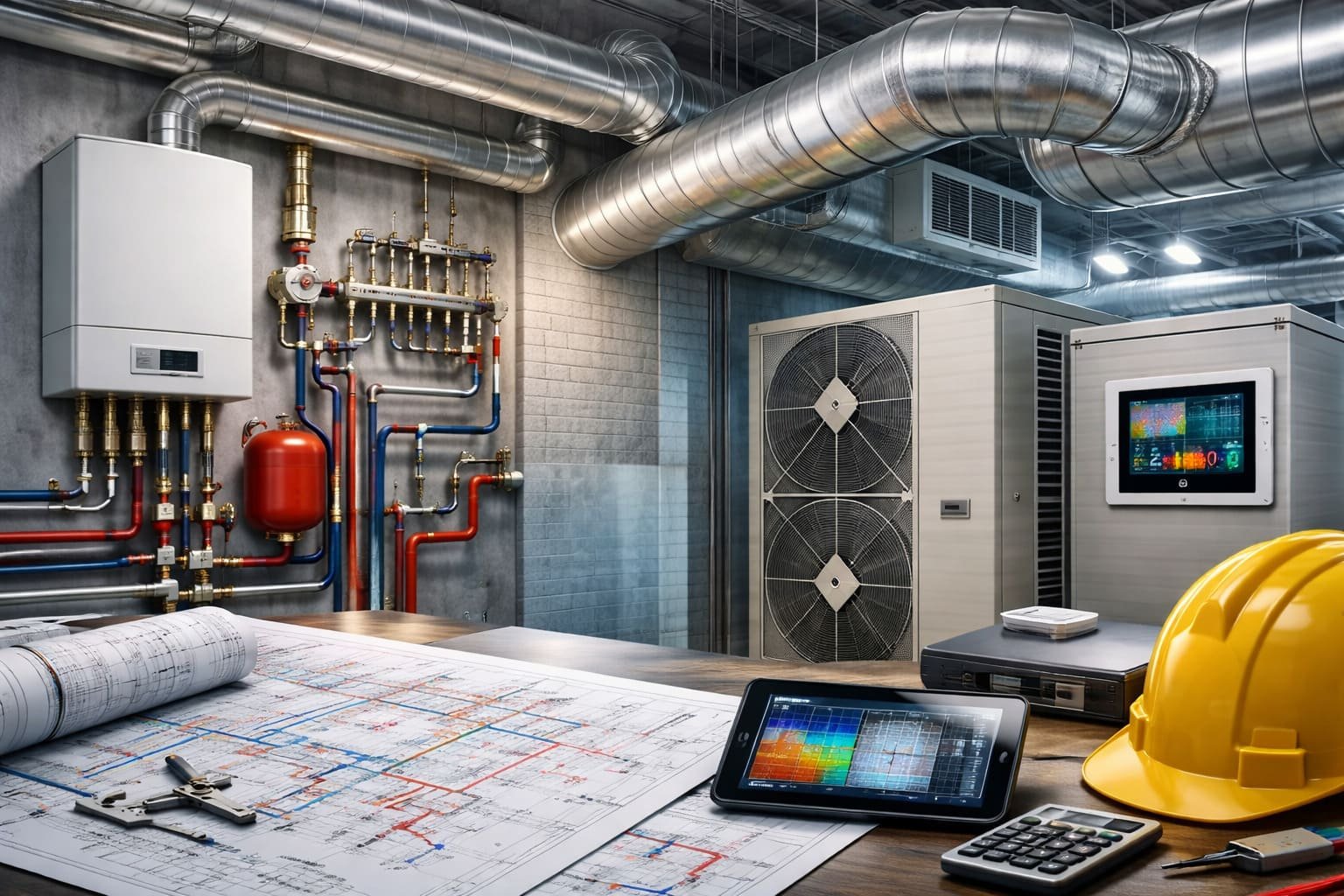
Designing heating, ventilation, and air conditioning (HVAC) systems is a crucial stage in creating a comfortable, safe, and energy-efficient indoor environment. The quality of engineering solutions directly affects both comfort and long-term operational costs.
What HVAC Design Includes
Heating systems (radiators, underfloor heating, air heating);
Ventilation systems (natural and mechanical);
Air conditioning systems (split systems, VRF/VRV, chillers);
Heat recovery systems;
Automation and climate control.
Why Professional Design Matters
Poorly designed systems can lead to energy losses, uneven temperature distribution, and poor air quality. Professional HVAC design ensures:
Energy efficiency;
Comfortable indoor climate;
Compliance with building regulations;
Equipment durability;
Reduced maintenance costs.
Stages of HVAC Design
Site analysis and requirements;
Thermal load calculations;
Equipment selection;
Design documentation;
Approval process;
Supervision during implementation.
Modern Trends
Energy-efficient systems;
Smart home integration;
Renewable energy usage;
BIM-based design approaches.
Applications
Residential buildings;
Offices;
Shopping centers;
Industrial facilities;
Hotels and restaurants.
Conclusion
Investing in professional HVAC design ensures comfort, efficiency, and long-term reliability of your building systems.