
In construction practice, there are situations when a client wants to begin work before the entire set of project documentation has been completed. The reasons may vary: limited deadlines, the need to start a specific stage quickly, phased financing, or the gradual clarification of technical solutions.
However, construction without a complete project does not mean carrying out work without drawings, calculations, or technical preparation. It primarily refers to a phased approach in which the documentation required for a specific stage has already been prepared, while the remaining sections of the project are developed in parallel.
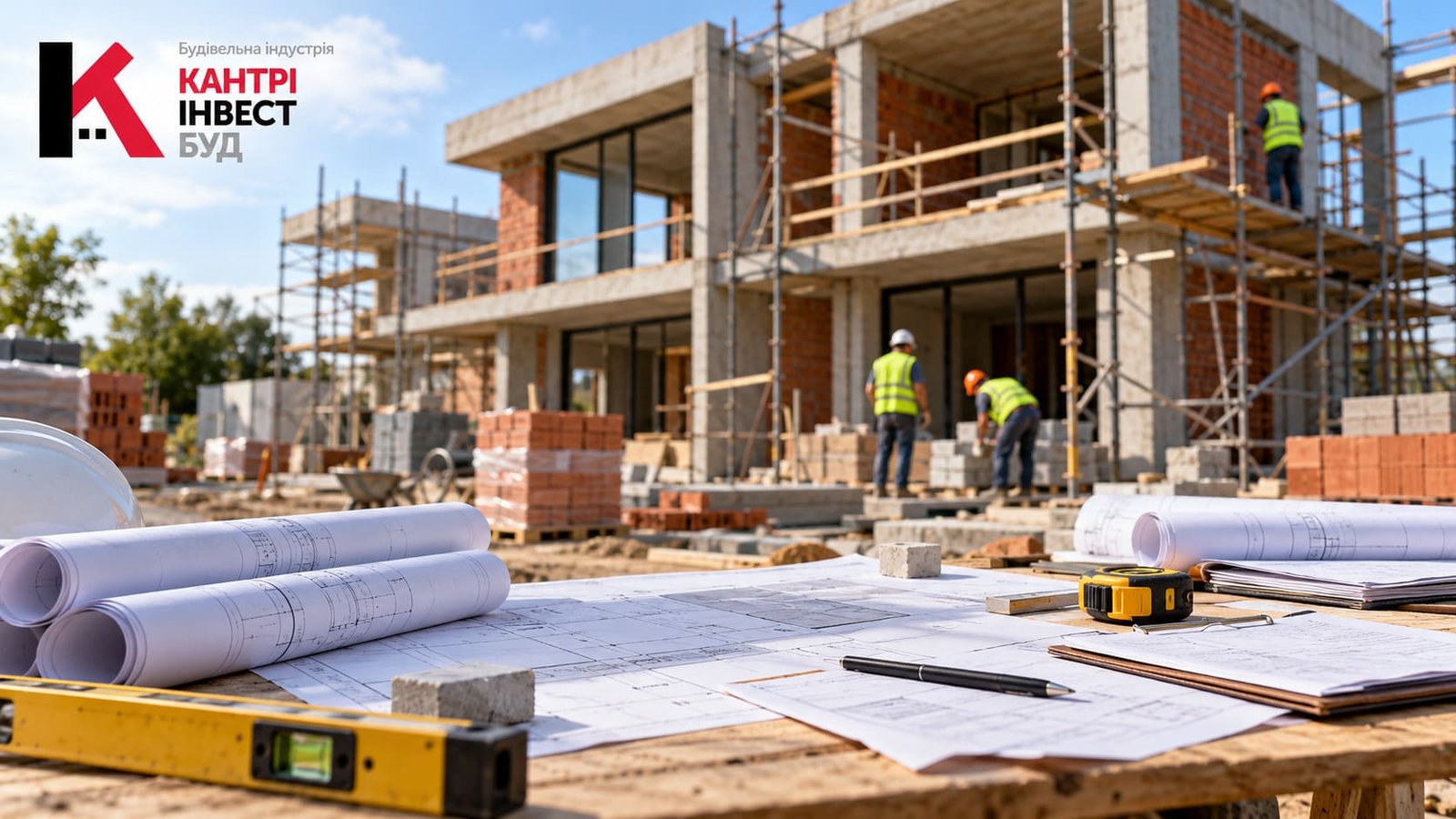
A complete building project may include a significant amount of documentation: architectural solutions, structural calculations, engineering systems, material specifications, technical details, diagrams, and other sections.
For large or technically complex facilities, preparing all these materials takes time. In some cases, the implementation process can therefore be organized in stages. For example, documentation for site preparation, excavation, or foundation work may be completed earlier than detailed solutions for internal engineering systems or finishing works.
This approach can reduce the time between design and the actual start of construction, but it requires close coordination between designers, engineers, and the construction team.
Construction should begin before the full documentation package is completed only if the technical solutions required for the current stage have already been properly developed and verified.
A phased approach may be appropriate when:
The main risk of starting construction with incomplete project documentation is the possibility that already completed work may need to be changed after new technical solutions are introduced. Even a relatively small change in the layout or equipment can affect structural elements, engineering systems, openings, utilities, and other parts of the building.
If coordination between the participants is insufficient, this may result in additional costs, delays, and the need to redo certain works.
That is why, before each new construction stage begins, it is essential to ensure that there is enough technical information to perform the work safely and correctly.
Even if the entire project is not yet complete, the key characteristics of the future building should be established in advance. These include the main dimensions of the structure, its location on the site, the basic structural scheme, main loads, number of floors, and the relationship between major engineering systems.
Particular attention should be paid to structural elements that affect the safety and stability of the building. Foundations, load-bearing structures, floor slabs, and other critical components must be based on verified engineering calculations rather than preliminary assumptions.
An effective solution may be to divide the project documentation into separate packages according to the construction sequence. In this case, the design team first completes the documentation required for the nearest stage and then moves on to the next sections.
For example, the sequence may include:
This approach allows approved construction work to proceed while documentation for subsequent stages is being prepared at the same time.
When construction is organized in stages, close cooperation between designers and contractors becomes especially important. Any changes must be communicated promptly to all specialists whose work may be affected.
Professional construction in such a format requires continuous technical supervision, coordination of decisions, and verification of documentation before each next stage begins.
This helps reduce the risk of conflicts between structural and engineering solutions, avoid unnecessary rework, and maintain better control over the project schedule.
A phased approach is not suitable for every project. If technical solutions are closely interconnected or the main characteristics of the building have not yet been fully defined, starting too early may create more problems than the time it saves.
Therefore, the decision to begin construction before all documentation is complete should be based on the actual readiness of a specific stage and its relationship with the work that follows.


